Historic Triangle · Crawlspace Medic
Crawl Space Repair in Williamsburg, VA
Crawl space repair in Williamsburg, VA that corrects the moisture before it replaces the wood.
Book a Free Inspection
Schedule online in about a minute — pick the day and time that work for you.
Schedule Your Free Inspection (757) 697-0070- Free Inspection & Estimate
- Financing Available
- Repairs Scoped to the Evidence
- Moisture Fixed Before Carpentry
- Sump Pumps & French Drains
- Licensed & Insured
By the Numbers
Why sealing a crawl space pays off
~40% → <6%
85% decrease in untreated first floor air coming from the crawl space
Lifetime
Material guarantee on our 10-mil vapor barrier
~15%/yr
Heating & cooling costs saved once a crawl space is sealed
$5k–$10k
What a typical Crawlspace Medic job runs
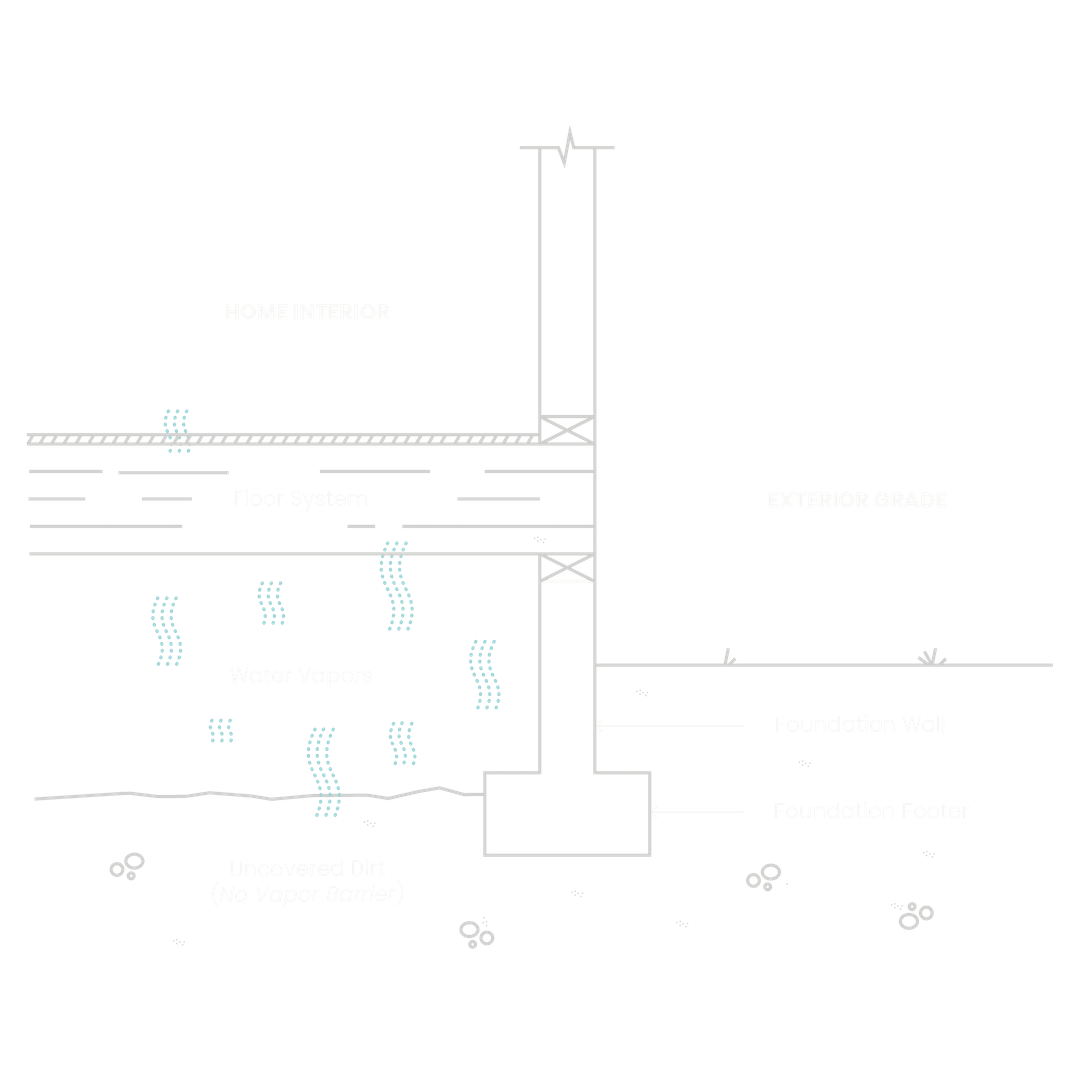
Your crawl space isn't sealed off from the rest of your home. It's the air you breathe.
Warm air rising through the house pulls air up out of the crawl space with it. When that space stays damp, Williamsburg homeowners feel it upstairs: musty air, sticky rooms, and higher power bills.
For homeowners in the Historic Triangle
Fix the wood without fixing the water, and you'll do it twice.
A bouncy hallway or a door that no longer latches usually traces to the framing below: joists, girders, or subfloor that moisture has softened over the years. Replacing that wood is straightforward carpentry. The mistake is stopping there, because fresh lumber installed over the same wet conditions starts absorbing its way toward the same failure.
So our repairs run in a fixed order: find the moisture source, cut it off, then restore the structure. Older homes reward that discipline, since they call for framing-aware repair work that respects how the original structure carries its loads.
“Encapsulation is like a roof. It protects your home. It lasts 15 to 25 years and saves you thousands in damage and energy loss.”
Five things, done well.
Our crawl space services in Williamsburg
Communities We Serve
Proudly serving Williamsburg and the surrounding area
- Yorktown
- James City County
- Williamsburg
- Newport News
- Hampton
- Poquoson
- Toano
- Gloucester
- West Point
- Tappahannock
- Urbanna
- Deltaville
- & Surrounding Areas!
Get the damage documented for free.
Reach Crawlspace Medic
Schedule an inspection and see exactly what is under your Williamsburg home: photos, moisture readings, and a repair scope that starts with the cause.
Crawlspace Medic
309 McLaws Circle, Suite K, Williamsburg, VA 23185
Mon–Sat 8:00 AM – 6:30 PM · Sun: Closed
Service area: Yorktown · James City County · Williamsburg · Newport News · Hampton · Poquoson · Toano · Gloucester · West Point · Tappahannock · Urbanna · Deltaville
How It Works
Simple, and on your terms.

Free inspection
We come out, crawl the space, and photograph what is actually down there. No charge, and no pressure to buy anything.

A report you keep
You get a photo-documented report and a straight diagnosis of your Williamsburg crawl space. You decide what happens next.

We fix the cause
We seal and dry the space and repair the damage, built around your home and your soil, not a one-size box.
Moisture first, structure second
How a damp crawl space becomes a sagging floor.
Wood does not rot on a schedule; it rots on a threshold. Framing that holds a moisture content of 12 to 16% stays sound indefinitely, but once readings pass 20%, the fungi that digest wood fiber have what they need, and strength starts leaving the lumber before anything looks visibly wrong.
That is why a proper repair estimate starts with a moisture map rather than a lumber list. Water may be arriving as ground seepage, as humid air condensing on cool framing, or through a plumbing fault, and each source calls for a different fix. Standing water gets a French drain of pipe and gravel feeding a sump pump; airborne humidity gets sealing and dehumidification.
Handled in that order, the carpentry lasts. Handled in reverse, the replacement wood begins the same slow decline as the old, and you end up paying for the same repair twice.
The Science, in One Picture
How moisture moves from the soil into your air
Effects of elevated moisture
- Mold growth
- Insect infestation
- Poor air quality
- Structural damage
Not sure what's going on under your house?
It costs you nothing to have an inspection. We show you exactly what we find, then you decide.
The Crawlspace Medic difference
A repair contractor that carries the whole moisture toolkit.
Many crews can replace a joist. What changes the outcome is what gets installed around the fresh wood: vapor barriers in 10 or 20 mil, with the 10-mil Class 1 sheet warrantied for life, Santa Fe and Aprilaire dehumidifiers, and drainage that moves water out from under the house instead of hoping it evaporates.
Not every home needs the full system, and we quote accordingly. A hybrid encapsulation, with the barrier carried 8 to 16 inches up the wall rather than the full height, is a legitimate middle option when it fits, and we are upfront that it is a partial measure.
As for cost, the honest frame is the brand-wide range: bargain operators charge $1,000 to $2,000 for thin plastic and little else, national outfits run $15,000 to $30,000, and the typical Crawlspace Medic project sits between $5,000 and $10,000. What your home actually needs is a question for the inspection, not the brochure.
Pricing, compared.
How our price stacks up against the rest.
Cut-rate crews
$1,000–$2,000
A loose sheet of plastic over the problem. Fails, then gets redone on top of the damage it let happen.
Crawlspace Medic
$5,000–$10,000
The honest middle: real materials, sealed and dried, done right the first time.
National foundation chains
$15,000–$30,000
The same scope, plus the markup for a full, white-labeled system.
That $5,000–$10,000 band is where most encapsulation jobs land, not a cap. Larger crawl spaces, structural repair, or a full restoration run higher: a complete restoration on a bigger home can reach $15,000 or more. Your exact price comes from the inspection, based on size, access, and what the crawl space actually needs.
Free structural inspection
We map the damage before we quote it.
The inspection is free and thorough: every accessible foot of the crawl space, photographed, with moisture readings taken on the framing itself. Older homes get particular care, because their repairs need to work with how the original structure was built rather than against it. You receive the photos and a written scope, and if the structure is sound, that is the finding we hand you.
“It's common sense. Cleaner crawl space = cleaner home air. You'll feel it and breathe it.”

What We Measure
Where your framing falls on the moisture scale
12–16% is safe. Once framing crosses 20%, active decay becomes likely, and the report shows you exactly where yours reads.
A damp crawl space doesn't stay a crawl space problem. It becomes a whole-home one.
Cupping floors, that musty smell, and rising power bills usually trace back to the same place. The good news: it's fixable, and the sooner it's caught, the less there is to undo.
The line we don't cross
Being a specialist means knowing the edge of your specialty. Crawlspace Medic repairs crawl space framing: joists, girders, sill plates, and subfloor. We do not install push piers or helical piers and we do not perform slab leveling, because foundation movement of that kind belongs with a dedicated foundation contractor. If your inspection uncovers it, we will show you the evidence, explain why it is outside our scope, and refer you to someone qualified to take it on.
Common Questions
Williamsburg crawl space questions, answered.
Do you take on foundation work?
Only the crawl space side of it. Structural repairs to joists, girders, sill plates, and subfloor are our core work. What we deliberately leave to foundation contractors: push piers, helical piers, and slab leveling. Foundation movement that goes beyond the framing under your floor calls for that specialty, and when an inspection reveals it, you get our photos, our honest read, and a referral rather than an improvised fix.
What are the warning signs of crawl space damage?
Inside the house: floors that bounce or slope, doors and windows that stick or no longer latch, a persistent musty smell, and soft spots underfoot. Under the house: darkened or spongy wood, condensation on ducts and pipes, standing water after rain, and insulation sagging out of the joist bays. Any one of these justifies a look, and our inspection is free, so confirming or ruling out a problem costs nothing.
My house is older. Does that change how you repair it?
It changes the care, not the principles. Older homes often carry framing dimensions and load paths that differ from modern construction, so the repair work has to be framing-aware, matching how the original structure carries its weight rather than forcing modern assumptions onto it. The sequence stays the same as any repair we do: stop the moisture first, then restore the structure so the fresh work is protected from the conditions that damaged the old.
Do I need a sump pump in my crawl space?
Only if water actually collects there, and an inspection settles that quickly. Damp air and damp soil call for sealing and dehumidification, not pumping. Standing or seasonal water is different: it needs a path out, which we build as a traditional French drain, perforated pipe set in gravel, graded to a sump pump that discharges away from the house. Installing a pump where no water pools is exactly the kind of oversell we refuse to do.
After a repair, how do I keep it from happening again?
Control the moisture that caused the first failure. For most homes that means a sealed vapor barrier over the ground, sealed vents, and a dehumidifier holding the space dry; wood kept in the 12 to 16% moisture range does not decay. Encapsulation is the durable version of that protection, and we scope it from the same inspection findings as the repair, so you can weigh both decisions with the same evidence.
The Difference, Under the House
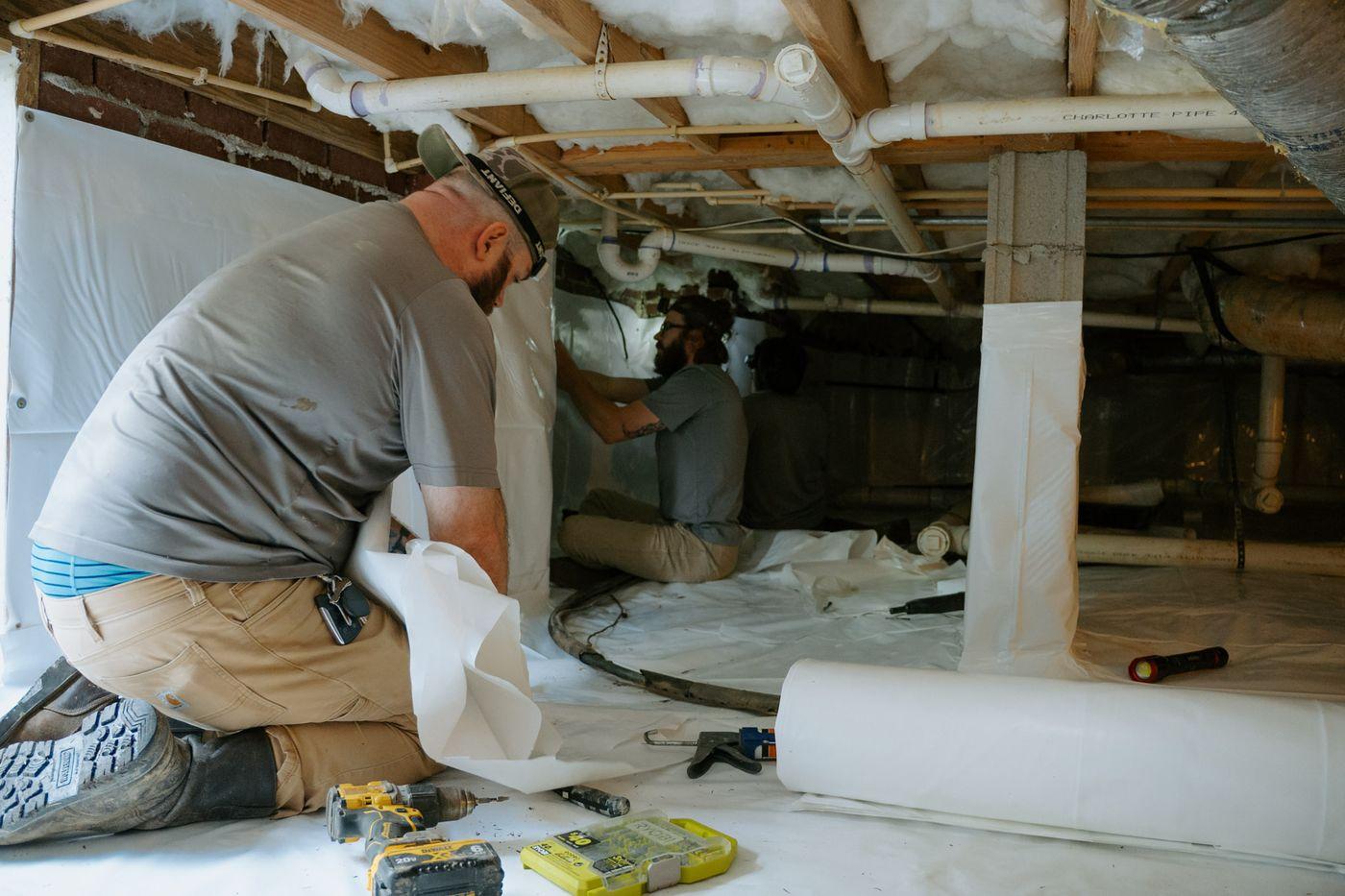
What the work actually looks like.
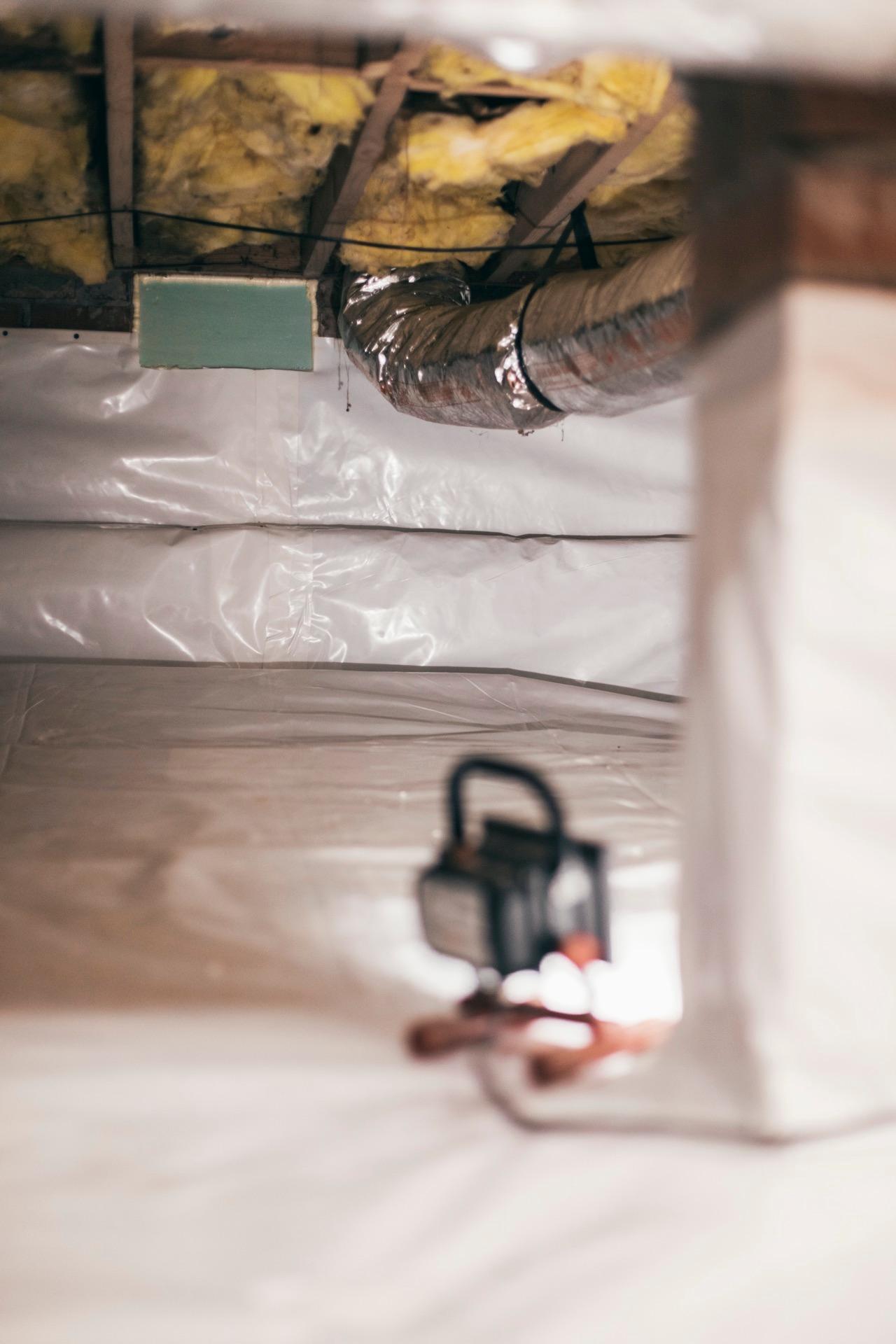 Sealed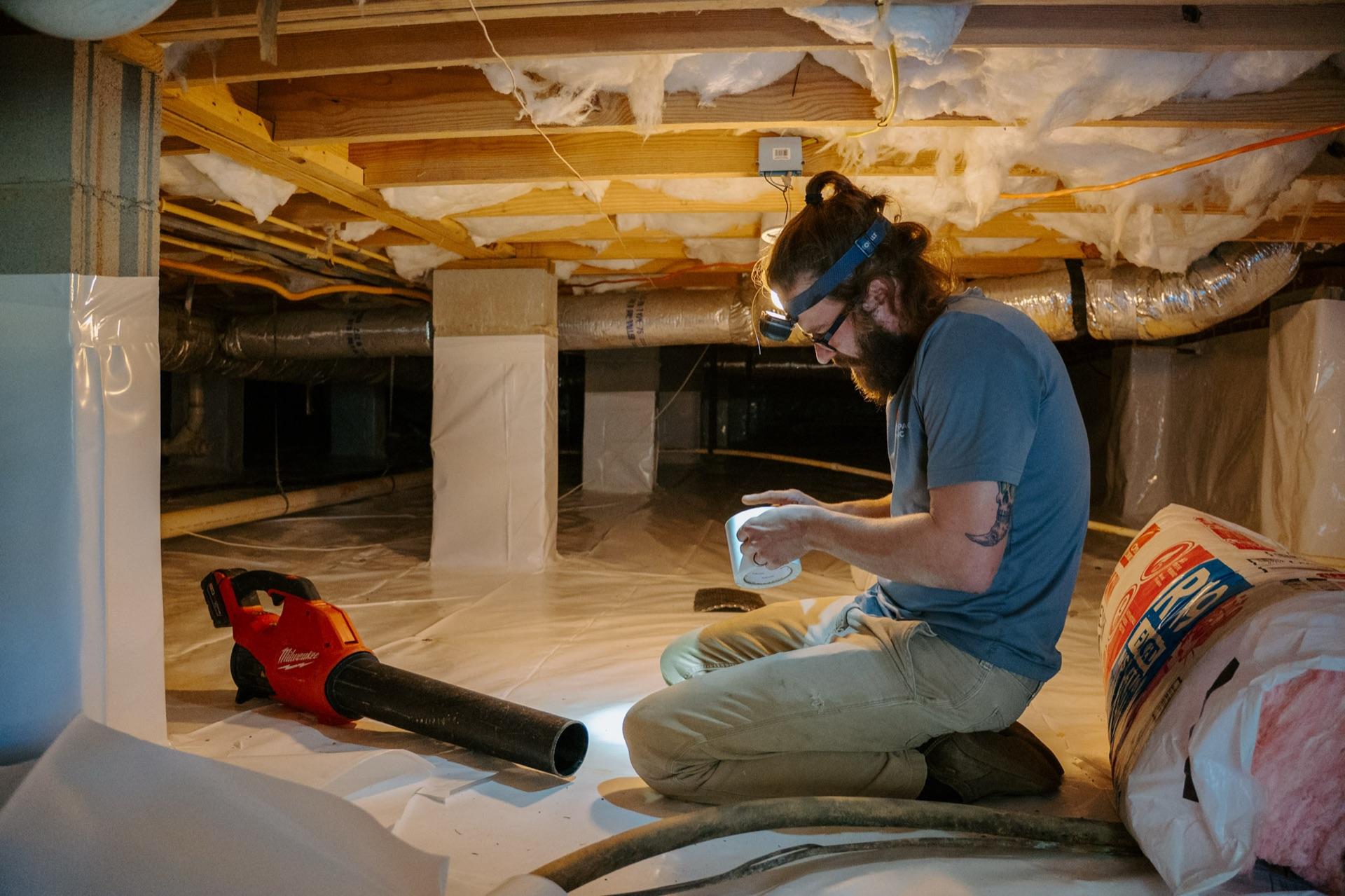
Crawlspace Medic Near Williamsburg
We also serve nearby communities.
Find out what your crawl space actually needs.
We inspect, photograph what we find, and give you a written report you keep, whether or not you choose us. If Williamsburg homeowners only need part of the work, we say so.